Real Estate investors and homeowners must conduct regular structure and foundation assessments every 5-10 years using advanced technologies to identify mechanical and structural issues. Key concerns include uneven floorboards, wall cracks, settlement heave, outdated HVAC systems, plumbing problems, and old electrical wiring. Professional engineers should perform comprehensive tests, including load-bearing capacity evaluations and moisture content analysis. Proactive maintenance, detailed record-keeping, and consultation with structural engineers mitigate future costs, ensure property safety, and longevity in real estate investments.
In the dynamic realm of real estate, identifying structural or mechanical problems is paramount for investors and developers alike. These issues can significantly impact property value, safety, and long-term viability. Understanding common challenges such as foundation flaws, faulty plumbing, and outdated electrical systems requires meticulous inspection and analysis. By employing advanced diagnostic tools and leveraging industry expertise, professionals can effectively pinpoint problem areas. This article delves into these critical aspects, offering insights on modern solutions that enhance property resilience and appeal in today’s competitive market.
Assess Building Structure & Foundation in Real Estate
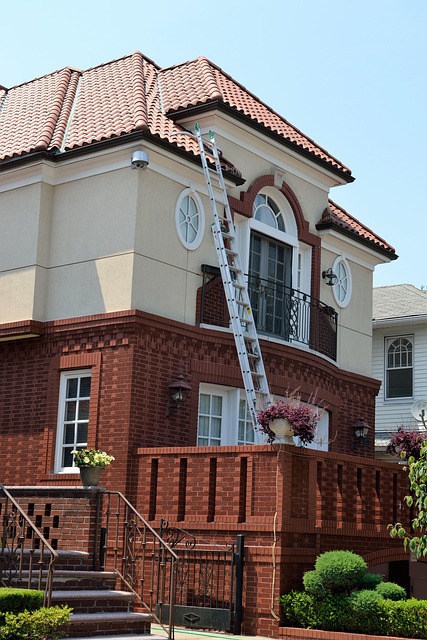
When evaluating a property in real estate, assessing the building structure and foundation is paramount to identifying potential mechanical issues or structural problems that could impact safety and value. This involves a meticulous inspection of the physical framework, including walls, floors, ceilings, and supports, to ensure they are sound and aligned. Experts recommend using advanced technologies like lidar scanning or thermal imaging to detect even subtle anomalies that might be missed by the naked eye. For instance, uneven floorboards or cracks in load-bearing walls could signal foundation shifts, which are common in older properties.
Regular structural assessments are crucial for property maintenance and real estate investment. Data from industry reports indicates that neglecting these inspections can lead to significant financial losses due to unforeseen repairs. A professional engineer or certified inspector should be engaged to perform comprehensive tests, including load-bearing capacity evaluations and moisture content analysis. These experts can pinpoint issues like settlement heave, where the building’s foundation adjusts over time, potentially causing structural damage. By addressing such problems early, real estate investors and homeowners can mitigate substantial future costs and ensure the longevity of their properties.
Actionable advice for buyers and owners includes scheduling regular inspections every 5-10 years, depending on the age of the property, and being vigilant about signs of structural distress. Keeping detailed records of maintenance and repairs is essential. In case of significant changes or concerns, consulting with a structural engineer who can provide expert analysis and recommend appropriate remedial work is highly recommended. This proactive approach to building and foundation assessments not only safeguards investments but also ensures the safety and comfort of occupants.
Mechanicals & Systems: Common Red Flags Revealed

In real estate, identifying structural or mechanical problems is a crucial step for any investor or owner to ensure the longevity and safety of their property. Mechanicals and systems, often overlooked, can signal significant issues that impact both the functionality and value of a building. Common red flags include outdated or faulty heating, ventilation, and air conditioning (HVAC) units, which not only reduce energy efficiency but also increase maintenance costs. According to recent data, replacing old HVAC systems with energy-efficient models can yield substantial long-term savings, making it a top priority for property maintenance.
Another critical area is plumbing. Leaks, clogs, and outdated pipes can cause extensive water damage, leading to costly repairs and potential health hazards. Regular inspections should focus on signs of corrosion, rust, or unusual noises, indicating potential problems that may go unnoticed without proactive checks. For instance, a burst pipe during winter can lead to significant structural damage and mold growth, impacting both the building’s integrity and its market value. Therefore, addressing plumbing issues promptly is essential for preserving the asset.
Electrical systems also require careful attention. Old wiring, faulty outlets, or outdated circuit breakers are fire hazards and can reduce a property’s appeal. Upgrading these systems not only enhances safety but also prepares the real estate for modern technology demands. Property managers should look out for flickering lights, frequent power outages, or overloaded circuits, which could indicate overstressed electrical panels in need of replacement. Regular maintenance and timely repairs in these areas are key to maintaining a safe and desirable real estate investment.
Addressing Structural Issues for Safe Investment
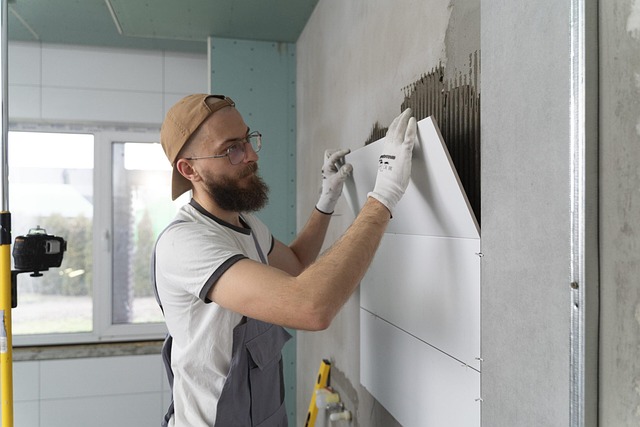
Identifying structural integrity is a cornerstone for savvy real estate investments. Before committing to a property, conduct thorough inspections to uncover potential mechanical and structural issues. These problems can range from foundation cracks and faulty wiring to outdated plumbing and roof leaks—all posing significant safety risks and financial implications. For instance, according to the National Association of Realtors, nearly 40% of homes over 50 years old exhibit substantial structural issues.
When assessing a property, engage the expertise of qualified professionals who can meticulously examine key areas such as load-bearing walls, floor joists, and roof trusses. Visual inspections alone may not reveal hidden problems; advanced methods like moisture detection technology and infrared cameras are valuable tools for identifying issues like water damage or dry rot. Once identified, these challenges require specialized repairs to ensure structural soundness and prevent further deterioration.
Addressing structural issues proactively enhances the property’s value and longevity. Prompt remediation prevents minor problems from escalating into major repairs that could significantly impact your investment. Consider a case study of a historic home where extensive roof repairs were necessary due to years of neglect; this expense far exceeded the cost of regular maintenance over time, demonstrating the financial burden of ignoring structural issues in real estate. By prioritizing thorough inspections and efficient remediation, investors can mitigate risks and ensure their properties remain safe, secure, and valuable assets.