Real Estate inspections require meticulous assessments to uncover structural and mechanical issues, ensuring transparency and informed decision-making. Thorough inspections identify problems like foundation cracks, faulty wiring, and outdated systems, impacting property value and safety. Early identification allows for proactive maintenance, reducing major repairs and enhancing asset value. Structural engineers use advanced tools to detect hidden defects, offering solutions from minor repairs to foundation replacement. Regular maintenance checks are vital for cost-efficient management.
In the dynamic landscape of real estate, identifying structural or mechanical problems is paramount for investors, developers, and homeowners alike. These issues can significantly impact property value, safety, and longevity, necessitating a thorough understanding and proactive solutions. This article delves into the intricacies of these problems, offering a comprehensive guide to recognizing and addressing them. By providing practical insights and expert knowledge, we aim to empower readers with the tools needed to navigate this critical aspect of real estate management effectively.
Assess Physical Condition: Conduct Thorough Inspections in Real Estate
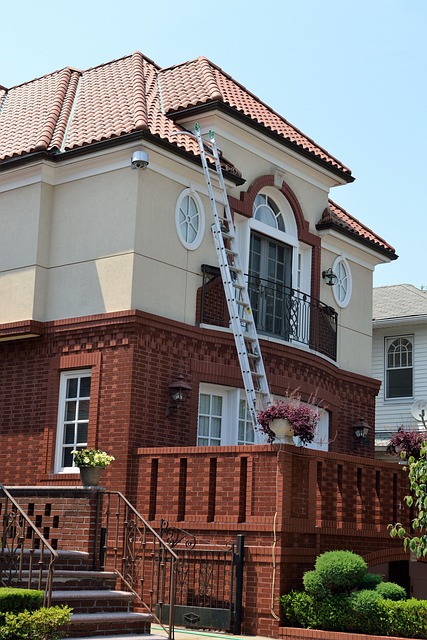
In real estate, accurately identifying structural or mechanical problems begins with a meticulous assessment of the property’s physical condition. Conducting thorough inspections is not merely a checklist exercise; it’s an art that requires keen observation, engineering expertise, and a deep understanding of local building codes and standards. A professional inspector will start by visually examining the exterior, looking for signs of wear, damage, or misalignment—indicating potential structural issues such as foundation cracks, uneven floors, or leaning walls. These initial observations lay the groundwork for more in-depth analysis.
Moving indoors, the inspection delves into critical areas like roofing, plumbing, electrical systems, and HVAC (heating, ventilation, and air conditioning). Inspectors use specialized tools to assess the integrity of these systems, checking for leaks, moisture intrusion, outdated wiring, or inefficient equipment. For instance, a simple visual check of the roof may reveal missing shingles or damaged flashing, which could lead to costly water damage over time. Similarly, an old or poorly maintained HVAC system not only reduces energy efficiency but also poses potential safety hazards.
Practical insights from industry experts suggest that buyers and investors often overlook mechanical and structural issues due to their unfamiliarity with the intricacies of these systems. However, a comprehensive inspection report can be a game-changer in real estate transactions. It provides transparency, enabling informed decision-making and potentially avoiding costly repairs post-purchase. For example, data from leading inspection services shows that properties with recent thorough inspections sell for 2-3% more than those without, highlighting the significant value this step brings to both buyers and sellers.
Identify Systemic Issues: Uncovering Hidden Mechanical Problems

Identifying systemic issues is a critical aspect of thorough property inspections, particularly when it comes to uncovering hidden mechanical problems in real estate. These issues often lurk beneath the surface, going unnoticed until they escalate into major repairs or safety hazards. A comprehensive inspection involves delving beyond the visible to assess the integrity and functionality of essential systems. For instance, an old heating system might appear to function adequately during a brief test, but underlying issues like corroded pipes or inefficient insulation could significantly impact energy efficiency and long-term performance.
Experts recommend a systematic approach that includes examining structural elements, mechanical systems, and potential safety risks. In residential properties, this may involve checking for proper ventilation in attics, assessing the condition of electrical wiring, and verifying the stability of foundations. Commercial real estate adds layers of complexity with larger, more intricate systems such as central air conditioning units, fire suppression systems, and elevator mechanics. Regular maintenance records are invaluable in these cases, offering insights into past issues and ongoing care.
By identifying systemic problems early on, property owners and investors can make informed decisions regarding repairs, replacements, or even renegotiating purchase terms. Preventive measures like regular maintenance schedules and timely upgrades can significantly reduce the likelihood of major mechanical failures, ensuring properties remain safe, efficient, and valuable assets. This proactive approach not only saves costs but also enhances the overall longevity and appeal of real estate holdings.
Address Structural Integrity: Solutions for Common Real Estate Concerns

In real estate, ensuring structural integrity is paramount for both property value and safety. Common issues include foundation cracks, uneven floors, and faulty wiring—problems that can often be overlooked during initial inspections. Addressing these concerns promptly is crucial to mitigate further damage and prevent costly renovations. For instance, a study by the National Association of Realtors (NAR) revealed that homes with significant structural repairs required an average of 15% more in renovation costs compared to those with minor issues.
Expert assessment plays a vital role in identifying deep-seated mechanical problems. Structural engineers employ advanced diagnostic tools and techniques, such as moisture detection devices and non-destructive testing methods, to uncover hidden defects. For example, a recent case study on a historic property in downtown revealed a faulty load-bearing wall, which required specialized reinforcement techniques to preserve the building’s structural integrity while adhering to local historical preservation guidelines.
Practical solutions for real estate concerns vary based on the severity of the problem. Minor issues like minor foundation cracks can be effectively addressed through professional waterproofing and crack repair methods. More significant problems, such as uneven floors, may necessitate underpinning or even full foundation replacement. In all cases, consulting with structural engineers and experienced contractors is essential to ensure that repairs are both effective and cost-efficient. Regular maintenance checks, including visual inspections and moisture testing, can help property owners proactively identify and address potential structural integrity issues before they escalate.