Evaluating building materials, construction quality, and fixtures is vital in real estate. Inspecting for wear and tear, foundation issues, water damage, outdated systems, and maintenance records helps identify potential problems that impact property value and longevity. Regular checks enable proactive resolution of structural and mechanical issues before they become costly repairs.
In the real estate sector, identifying structural integrity is paramount. This guide equips property owners and investors with essential tools for detecting potential issues through comprehensive inspections. From meticulous assessments of building materials and construction quality to recognizing telltale signs of wear and tear, each step ensures proactive maintenance. By implementing these strategies, individuals can safeguard their investments, mitigate risks, and extend the lifespan of their properties.
Conduct Thorough Inspections to Uncover Issues

Assess Building Materials and Construction Quality

When evaluating a property in the real estate market, assessing the building materials and construction quality is paramount. This involves scrutinizing the structure’s foundation, walls, roof, and overall integrity. Signs of wear and tear, such as cracks in foundations or uneven floors, could indicate structural issues that require immediate attention.
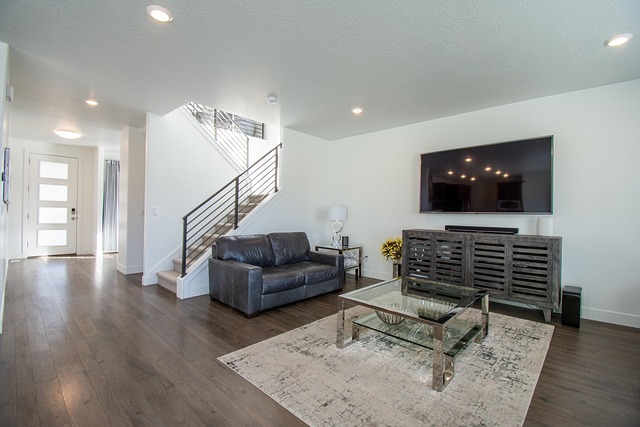
Moreover, the quality of construction materials, including flooring, fixtures, and appliances, can significantly impact a property’s longevity and resale value. Older homes may need upgrades to meet modern safety standards, while new constructions should adhere to current building codes. This step is crucial for investors and buyers alike, as it helps identify potential problems that could lead to costly repairs down the line.
Identify Signs of Wear and Tear or Damage

In the real estate sector, identifying structural or mechanical problems begins with a meticulous inspection. Signs of wear and tear or damage can often be subtle but significant indicators of deeper issues within a property. Inspectors should look for visible signs such as cracked walls, uneven floors, or damaged ceiling tiles, which could point to foundation issues, structural instability, or water damage.
Moreover, paying attention to the mechanical systems, including plumbing, electrical wiring, and HVAC units, is crucial. Outdated or faulty components, excessive noise during operation, or frequent breakdowns can suggest necessary replacements or impending failures. Regular maintenance records can also provide valuable insights into the overall health of these systems, enabling proactive measures to address potential problems before they escalate.