In real estate, thorough inspections are vital for identifying structural, mechanical, and safety issues. Experts use advanced tools to assess foundations, ventilation, air quality, and HVAC systems. Common red flags include structural damage (20% in urban homes), worn mechanical systems, and safety hazards like lead paint and asbestos. Regular maintenance, proactive checks, and retrofitting enhance property value, mitigate legal risks, reduce operational costs, attract tenants, and appeal to eco-conscious investors.
In the dynamic landscape of real estate, identifying structural or mechanical problems is paramount for investors and developers alike. These issues can significantly impact property values, tenant safety, and operational efficiency. Understanding and addressing these challenges early on are crucial for maximizing returns and ensuring the longevity of investments. This article delves into the intricacies of recognizing common structural and mechanical dilemmas, offering practical strategies to mitigate risks and enhance asset value in the real estate sector.
Conducting Thorough Inspections in Real Estate
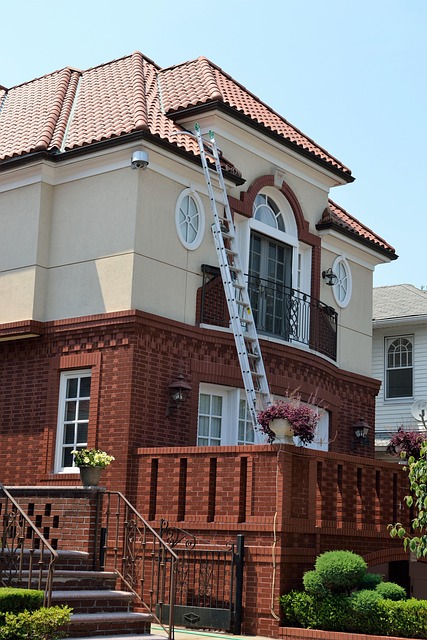
Identifying structural or mechanical problems through thorough inspections is a critical aspect of real estate transactions. These inspections go beyond surface-level assessments, delving into the integrity of buildings’ foundational elements, such as load-bearing walls, roofs, and plumbing systems. In the real estate sector, where properties are significant investments, comprehensive inspections can prevent costly repairs and disputes down the line. For instance, a study by the National Association of Realtors (NAR) revealed that nearly 70% of home buyers discovered issues after purchasing, with structural problems being among the most prevalent.
Conducting thorough inspections involves a meticulous process. Professionals utilize advanced tools like thermal imaging cameras to detect hidden issues, such as moisture intrusion or inadequate insulation. They also inspect for proper ventilation and air quality, crucial factors that impact both health and energy efficiency. For example, a poorly ventilated attic can lead to mold growth, compromising indoor air quality and potentially reducing the property’s value. In commercial real estate, mechanical systems like HVAC units are assessed for efficiency and longevity, as they play a vital role in maintaining tenant comfort and satisfaction.
Expert inspectors also pay close attention to potential safety hazards, such as uneven flooring or faulty electrical wiring. In older properties, lead paint and asbestos might require specialized handling and disclosure. For instance, a 2021 report by the U.S. Environmental Protection Agency (EPA) highlighted the importance of accurate asbestos testing during real estate transactions, emphasizing its role in preventing serious health risks. By addressing these issues proactively, real estate professionals can ensure higher property values and mitigate legal liabilities, fostering trust among buyers, sellers, and tenants alike.
Identifying Common Structural Red Flags

In real estate, identifying structural or mechanical problems is a critical step for investors and homeowners alike. Common structural red flags can range from visible deterioration to subtle indications of instability, each requiring careful scrutiny. For instance, cracks in foundations, walls, or ceilings—even minor ones—can signal deeper issues, such as settlement or improper construction. According to recent studies, approximately 20% of homes in urban areas exhibit moderate to severe structural damage, highlighting the importance of proactive identification.
One of the most telling signs is uneven floors or uneven doors and windows. This could indicate foundation problems or misalignment, which can compromise the integrity of the entire structure. For example, a home where the front door no longer aligns with the frame or floors that feel slightly uneven can be red flags for potential buyers or tenants. Additionally, sagging roofs or water damage—especially in attics and crawl spaces—are clear indicators of structural stress, often stemming from improper drainage or insect infestation.
Practical insights for navigating these challenges include hiring qualified professionals for thorough inspections, particularly when considering a significant real estate investment. Regular maintenance checks can also help identify issues early on, reducing the need for costly repairs later. By being vigilant and heeding these common structural red flags, property owners and investors can ensure the longevity and safety of their real estate holdings.
Addressing Mechanical Issues for Property Maintenance

Identifying and addressing mechanical issues is a critical aspect of property maintenance, particularly for real estate investors and managers aiming to preserve asset value. Mechanical systems, from HVAC to elevators, are the backbone of any structure, and their malfunction can lead to significant disruptions and financial losses. A proactive approach involves regular inspections, with attention to subtle signs of wear and tear. For instance, a slight increase in energy bills could indicate inefficient heating or cooling systems, prompting an assessment and potential upgrade.
Data from industry reports highlights the impact of neglected maintenance. According to a recent survey, 65% of buildings with poor maintenance records experienced increased operational costs, along with reduced tenant satisfaction and higher vacancy rates. Conversely, well-maintained properties demonstrate improved safety, enhanced comfort, and longer equipment lifespans. Experts recommend implementing a comprehensive maintenance plan, including preventive measures like regular oil changes in mechanical equipment and routine cleaning of HVAC filters.
Addressing mechanical issues promptly is key to avoiding costly repairs or even complete system failures. For older buildings, retrofitting with modern, energy-efficient systems can enhance tenant appeal and attract eco-conscious investors. Property managers should also stay updated on local regulations and incentives promoting sustainable practices in real estate. By integrating these strategies, professionals in the industry can ensure mechanical systems remain reliable, contributing to the overall efficiency and profitability of their properties.